

I didn't see it coming. That's the thing about burnout — it doesn't knock on the door and introduce itself. It sneaks in slowly, disguised as a rough week, a little extra tiredness, a dip in motivation. Before I knew it, I was running on empty and had been for a while.
If you've ever felt that way, you're not alone. And if you're wondering whether what you're experiencing is burnout — keep reading. Recognizing the signs early is the first step toward making real, intentional changes instead of just pushing through until you crash.
What Burnout Actually Felt Like for Me
One of the hardest parts about burnout is that it doesn't always look dramatic. It often disguises itself as "just being tired" or "having a rough patch." Here's what it showed up as for me:
Physical Signs
Feeling tired or overwhelmed most of the time. Not the kind of tired that a good night's sleep fixes — a deep, persistent heaviness that just wouldn't lift.
Recurring bouts of insomnia or hypersomnia. Some nights I couldn't fall asleep no matter how exhausted I was. Other times I slept way more than usual and still woke up drained.
High blood pressure. This one surprised me. But the body keeps score — chronic stress has a way of showing up in places you don't expect.
Emotional Signs
Feeling demotivated and detached. Things I used to care about started feeling hollow. Responsibilities that once felt meaningful just felt like weight.
Self-doubt and a sense of failure. A quiet but persistent voice telling me I wasn't doing enough, wasn't capable enough — hello, imposter syndrome.
Feeling overwhelmed by ordinary things. Tasks that should have been simple suddenly felt impossible to start.
A loss of control or agency. That helpless feeling of: no matter what I do, it doesn't really matter.
Persistent dread, worry, and anxiety. A low hum of unease that followed me into weekends, mornings, quiet moments.
Behavioral Signs
Procrastinating more than usual. Things I used to handle easily started piling up. Starting anything felt like climbing a mountain.
Difficulty focusing. My attention scattered constantly. I'd sit down to work and get nowhere.
Decreased productivity. I was putting in the hours, but less and less was actually getting done.
Reaching for unhealthy coping habits. When you're that depleted, it's easy to fall into patterns that numb rather than restore.
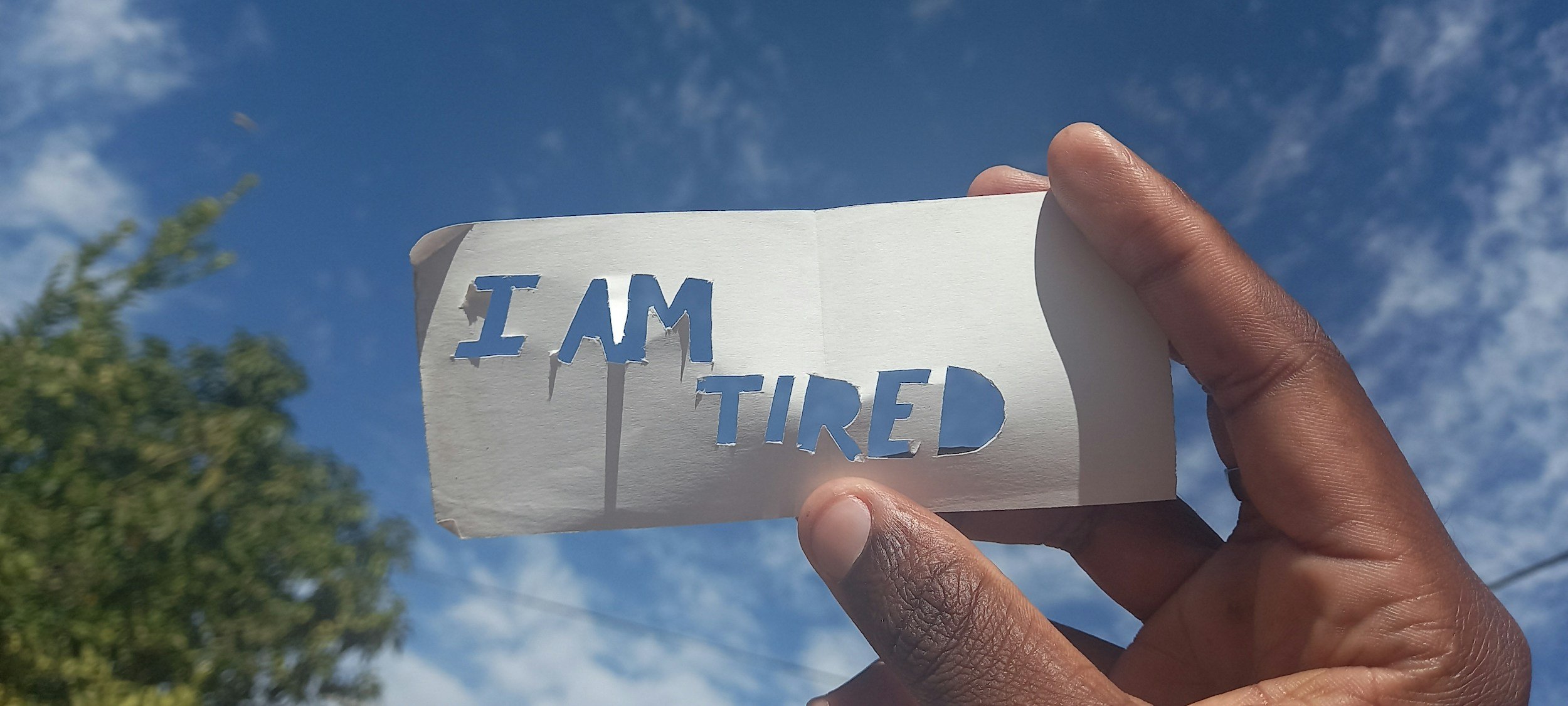
Burnout Isn't Just a Work Thing
Here's something I had to learn: burnout isn't only about your job. It can show up in relationships, caregiving, creative work, personal goals — really any area of life where you're giving more than you're getting back. And it's almost never caused by just one thing. In my experience, it was a combination of what I was bringing to the table and the environment I was in.
Individual Factors (the stuff from within)
Too many responsibilities without adequate support. I kept taking on more without asking for help — or having it offered. That's a recipe for running dry.
Not enough sleep. Simple, but brutal. Sleep deprivation quietly chips away at everything — resilience, focus, patience, emotional regulation.
Perfectionistic tendencies. When nothing ever feels good enough, every single task costs more than it should. Perfectionism is exhausting in a way that's easy to underestimate.
Environmental Factors (the outside pressures)
Little or no control over my work. Feeling powerless over my own time and outcomes wore me down in ways I didn't fully recognize at first.
Lack of clarity about expectations. Constantly trying to guess what "success" looked like created a steady undercurrent of anxiety.
Overly demanding job expectations. When the bar keeps moving or is set impossibly high, it's hard to ever feel like you're enough.
Roles requiring emotional labor. Managing, suppressing, or performing emotions as part of the job takes a toll that's real — even when it's invisible.
The First Step: Just Name It
You don't have to have all the answers right now. But if something on this list resonated with you, that recognition matters. Once you can name what's happening — and start to identify what's fueling it — you shift from reacting to responding. That's where intentional change begins.
Take a moment and ask yourself: What on this list is showing up in my life right now? You don't have to fix it all at once. Awareness is where it starts — and honestly, sometimes just knowing you're not imagining it is enough to take the first breath.